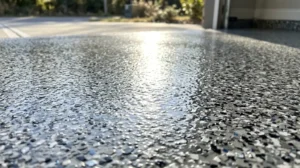
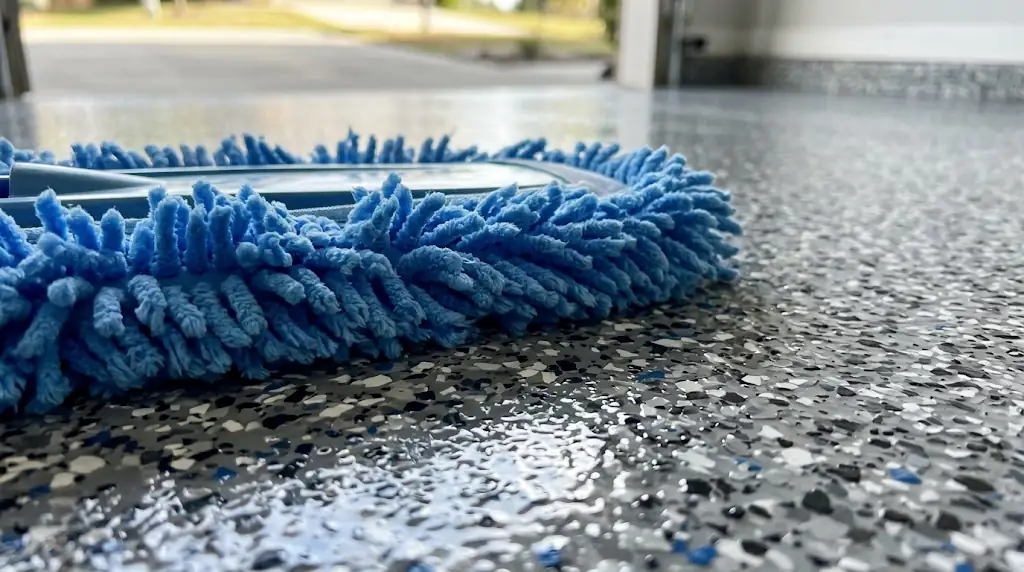
Maintain an epoxy garage floor in Central Texas by dry-dusting limestone grit weekly with a microfiber mop and washing monthly with a neutral-pH cleaner diluted in warm water. Avoid citrus degreasers, vinegar, bleach, and harsh acids, which chemically degrade clear polyaspartic and epoxy topcoats and dull their protective finish.
Central Texas Epoxy Maintenance Schedule
A regular maintenance routine prevents surface scratches from ground minerals and keeps the floor impervious to automotive fluids:
| Maintenance Frequency | Primary Task | Recommended Tools | Purpose |
| Weekly | Dry Dust Removal | 24-to-36-inch microfiber dust mop or soft-bristle broom | Sweeps away coarse caliche and limestone aggregate before tires grind it into the resin |
| Monthly | Wet Mopping | Microfiber mop, warm water, neutral-pH cleaner | Removes road film, light grease, pollen buildup, and tire residue |
| Quarterly | Deep Rinse & Squeegee | Foam squeegee, garden hose, low-pressure washer (< 1,200 psi) | Flushes out heavy dirt accumulations and restores clear-coat shine |
| As Needed | Spot Spill Cleanup | Shop rag, paper towels, diluted isopropyl alcohol | Neutralizes oil, brake fluid, battery acid, and chemical spills immediately |
Environmental Hazards Unique to Central Texas Garages
Central Texas garages face regional environmental challenges that rapidly wear down improperly maintained concrete coatings:
- Abrasive Limestone and Caliche Dust: Soils across Williamson County and the Balcones Escarpment contain high concentrations of calcium carbonate, caliche, and pulverized limestone. When vehicle tires track this fine, alkaline grit into the garage, foot and vehicle traffic turn it into sandpaper. Without weekly dust mopping, microscopic scratching dulls high-gloss clear coats.
- Dense Blackland Clay Mud: In Hutto, Pflugerville, and eastern Round Rock, heavy Houston Black clay clings to tire treads during rainy periods. When wet clay dries on a garage floor, the high iron and mineral content can leave mineral shadows if not rinsed away promptly.
- Heavy Seasonal Pollen: Central Texas experiences severe seasonal pollen spikes—Ashe juniper (mountain cedar) in the winter and live oak in the spring. Yellow pollen coats garage floors, forming a sticky, acidic film when combined with ambient humidity.
- Hard Mineral Water: Municipal water across Round Rock, Cedar Park, and Georgetown is classified as very hard, often exceeding 15 to 20 grains per gallon of dissolved minerals. Allowing tap water to air-dry on an epoxy floor creates stubborn white calcium rings (limescale). Always remove excess water with a rubber foam squeegee.
Chemical Guidelines: What to Use and What to Avoid
Resinous floor coatings like 100% solids epoxy and aliphatic polyaspartic are non-porous, meaning they require gentle surfactants rather than aggressive caustic chemicals to lift dirt.
Approved Cleaners
- Neutral pH Cleaners: Concentrated, neutral-pH commercial detergents lift dirt without breaking down polymer chains. Products certified under the U.S. EPA Safer Choice Program provide effective cleaning without leaving dulling residues.
- Simple Diluted Dish Soap: Two tablespoons of mild dish soap per gallon of warm water works for routine maintenance.
- Diluted Clear Ammonia: For heavy grime or road film, add 4 to 5 ounces of clear ammonia per gallon of warm water. Ammonia cuts through grease without leaving a film and does not damage polyaspartic coatings.
- Denatured Alcohol / Isopropyl Alcohol: Effective for spot cleaning sticky adhesive residue, tree sap, or tar spots.
Damaging Cleaners to Avoid
- Vinegar and Citrus Cleaners: While commonly used in home cleaning, acetic acid (vinegar) and citric acid dissolve the cross-linked surface chemistry of epoxy and polyaspartic topcoats, etching the clear layer and causing permanent cloudiness.
- Bleach and Concentrated Chlorines: Heavy bleach solutions can discolor decorative vinyl flakes and weaken the topcoat over repeated exposures.
- Abrasive Scouring Powders: Cleaners containing pumice, quartz silica, or feldspar act as mechanical abrasives, scratching the topcoat and stripping its gloss.
- Wax and Polish Products: Resinous floors are naturally non-porous. Applying floor wax creates a soft, slippery, unnecessary layer that traps street dirt and turns yellow under summer heat.
Stain Removal Protocols for Garages and Workshops
When vehicle fluids or yard chemicals land on your floor, execute these spot treatments:
Motor Oil, Transmission Fluid, and Engine Coolant
- Wipe up the pool of liquid with an absorbent shop rag or paper towels.
- Spray the area with a diluted neutral degreaser or mild dish soap solution.
- Agitate with a soft-bristled nylon deck brush.
- Wipe completely dry with a clean microfiber towel.
Battery Acid
Vehicle battery leaks drop concentrated sulfuric acid onto the floor. While aliphatic polyaspartic topcoats provide high chemical resistance, prolonged exposure will damage the coating.
- Sprinkle baking soda (sodium bicarbonate) liberally over the spill to neutralize the acid. Wait until bubbling ceases.
- Wipe away the neutralized paste with disposable towels.
- Rinse the spot thoroughly with fresh water and dry completely.
Rubber Scuffs and Tire Marks
- Spray the tire tracks with a neutral-pH cleaner or diluted citrus-free degreaser.
- Let the solution dwell on the mark for 3 to 5 minutes to soften the tire rubber.
- Scrub the area using a stiff nylon brush (do not use brass or stainless steel wire brushes).
- Wipe the surface clean.
Rust Stains from Outdoor Tools and Furniture
- Apply a small amount of non-acidic oxalic acid rust remover or a paste of baking soda and water directly to the rust mark.
- Gently scrub with a soft cloth.
- Rinse thoroughly with clean water immediately; do not let rust removers sit on the coating for more than 10 minutes.
Best Practices Across Our Service Locations
Local conditions require slight adjustments to floor care:
- Round Rock & Pflugerville: Garages located near heavy arterial traffic corridors (I-35, SH 45) gather oily road grime quickly. Monthly mopping with a diluted ammonia solution cuts highway film without degrading the topcoat.
- Hutto: Garages exposed to farm field dust and heavy agricultural soils require a dedicated dry microfiber sweep twice per week to prevent dirt buildup from dulling high-traffic areas.
- Georgetown & Liberty Hill: Slabs subject to high limestone construction dust require frequent dry sweeping. Avoid rinsing with raw, hard municipal water unless you immediately remove it with a rubber squeegee.
- Cedar Park & Leander: Slabs subjected to heavy cedar pollen from nearby Hill Country preserves require thorough washing in late winter (January–February) to strip away sticky pollen residues.
Equipment and Protection Guidelines
Simple preventative measures drastically extend the lifespan of an epoxy floor:
- Place Walk-Off Mats at Entryways: Place non-rubber-backed mats at house access doors and exterior entryways to trap grit before it crosses the floor. Avoid cheap latex or rubber-backed mats, which can trap moisture and discolor clear coats.
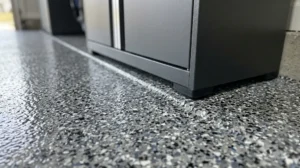
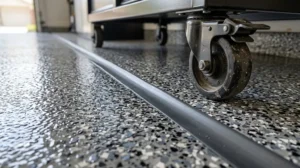
- Use Coasters Under Heavy Concentrated Loads: Place plywood, hard plastic cups, or rubber coasters under motorcycle kickstands, floor jacks, and heavy steel tool cabinets to prevent point-load gouging on hot summer afternoons.
- Limit Pressure Washer Pressure: If using a pressure washer to rinse your garage floor, keep the output below 1,200 psi and use a wide 40-degree spray tip. Keep the spray nozzle at least 12 inches away from the floor surface, and never spray directly into sealed expansion joints.
Keep Your Garage Floor in Peak Condition
With routine sweeping, neutral cleaning agents, and prompt fluid cleanup, a professional multi-layer epoxy and polyaspartic coating will maintain its industrial shine and seamless protection for up to two decades. If your concrete floor is damaged, peeling, or in need of a durable commercial-grade system built for Central Texas conditions, contact Round Rock Epoxy Flooring through our contact page to schedule an on-site consultation.